

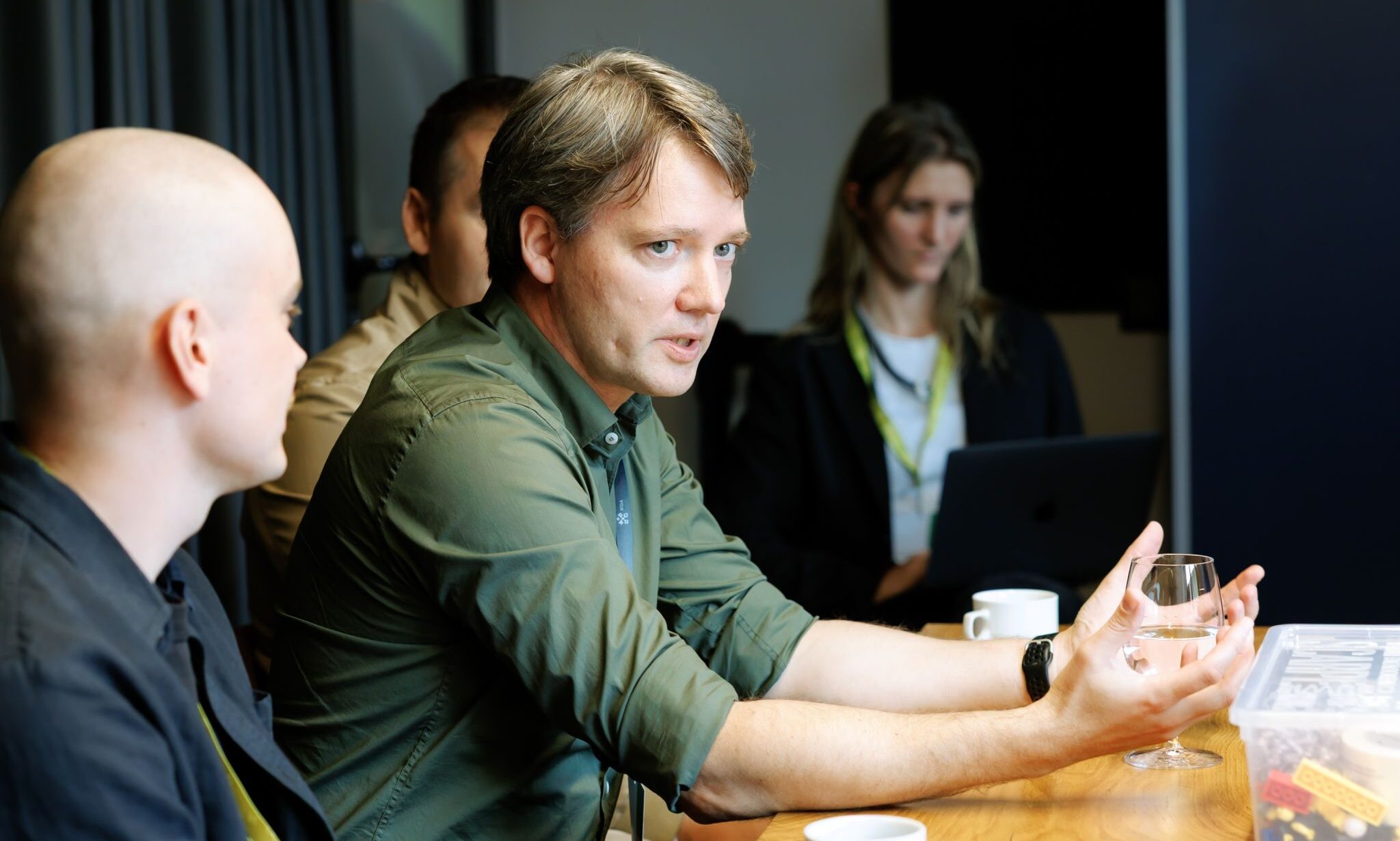
LDT CitiVERSE EDIC Operations Lead Jaan Saar joined the Smart City Conference in Riga for two days of discussions on one of the most persistent challenges facing urban innovation in Europe: how to turn successful pilots into solutions that cities can adopt, operate, reuse and scale.
European cities are already testing a wide range of technologies, from artificial intelligence and digital city models to autonomous mobility and drones. But demonstrating that a technology works is only part of the challenge.
At the Smart City Conference in Riga, discussions repeatedly returned to what happens after the pilot: Is the solution addressing a real city need? Who will use and operate it? How does it integrate with existing city systems? And can it be sustained and scaled once the initial project or funding period comes to an end?
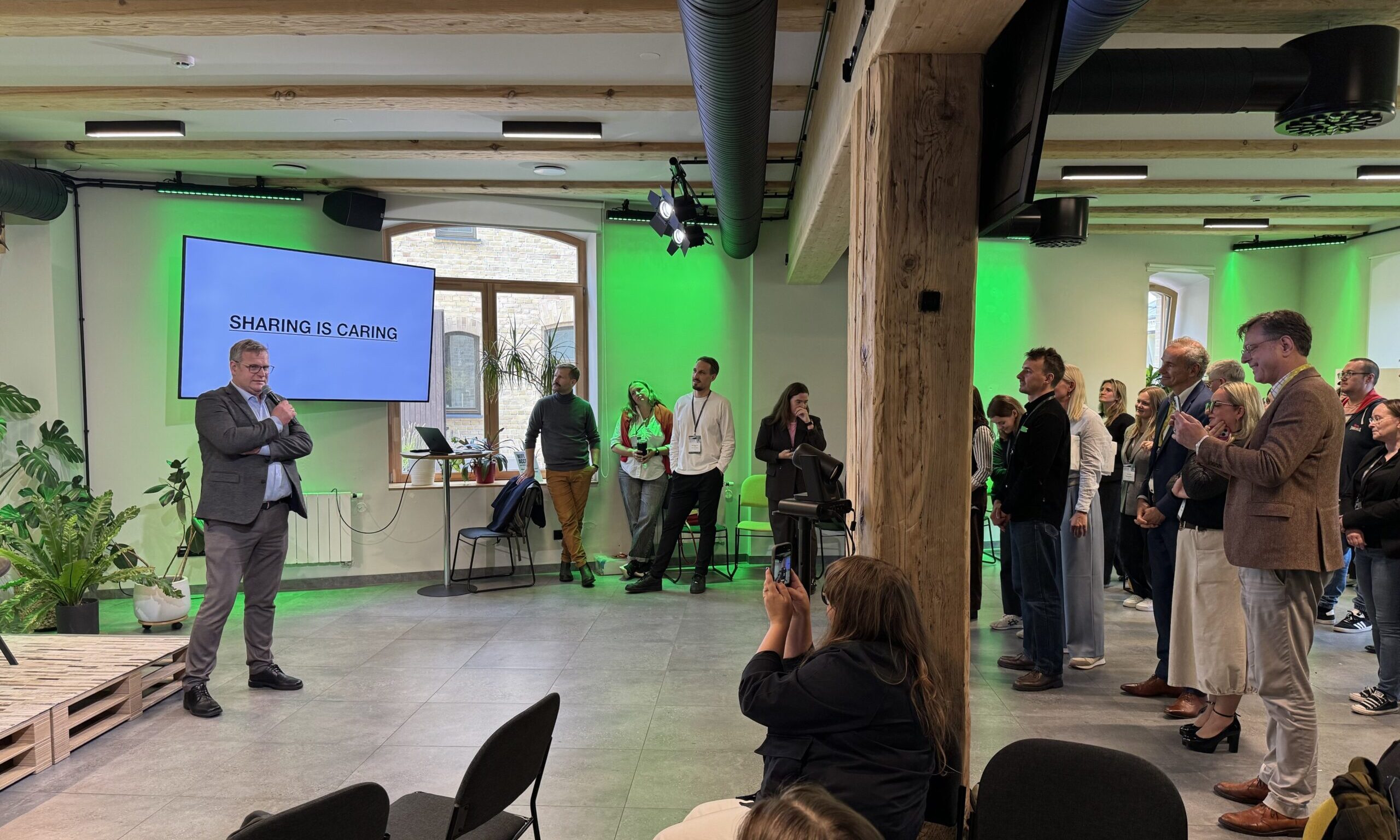
LDT CitiVERSE EDIC Operations Lead Jaan Saar joined city leaders, experts and European partners in Riga to explore these questions and share how the EDIC is approaching the transition from experimentation to implementation.
Bridging the gap between pilots and operations
A recurring challenge identified during the conference was the distance that can exist between demonstrating an innovative technology and integrating it into the everyday operations of a city. Successful implementation requires more than a technically sound solution. Technologies need to respond to real public-sector needs, work with existing data and systems, follow interoperable approaches and have a clear path towards long-term operation.
For cities, this raises a practical question: how can they build on what has already been tested instead of repeatedly starting from scratch? This is one of the areas where LDT CitiVERSE EDIC aims to contribute.
Jaan Saar presented how the EDIC is moving from its initial building blocks towards a practical portfolio of services designed to support cities throughout their Local Digital Twin journey. These include assessment and roadmap services, sandbox environments, implementation support and access to reusable Local Digital Twin tools and building blocks.
Creating an ecosystem for reuse
The discussions in Riga reinforced another important principle: scaling smart city innovation does not necessarily mean developing more individual solutions. It also means creating the conditions for successful solutions to be tested, validated, reused and adapted by other cities.
LDT CitiVERSE EDIC is working towards a European ecosystem where cities can access and build on Local Digital Twin use cases, tools and solution building blocks instead of developing every component independently. Interoperability and standardisation are therefore fundamental. Connecting Local Digital Twins across Europe requires solutions that can work across different technical environments and local contexts while allowing cities to retain control over how they use their data and infrastructure. The objective is to help shorten the distance between a promising pilot and a sustainable city service.
Making innovation work at scale
The exchanges in Riga showed that Europe does not lack ideas, technologies or ambitious urban innovation projects. The next challenge is ensuring that successful innovation can continue beyond an individual pilot and generate value in real city operations. For LDT CitiVERSE EDIC, this means moving progressively from demonstrating what technology can do towards making solutions work repeatedly, sustainably and at scale across European cities.
LDT CitiVERSE EDIC thanks SMART RIGA and all the cities, experts and European partners who contributed to the discussions and exchanges in Riga.
 EN
EN